

Sharpening Tools for the Food Industry
Learn to sharpen and grind different types of knives and cutting tools used in the food industry, from smooth-edged blades to more specialised tools.
- Master the sharpening of different types of blades
- Work on knives and tools specific to the food industry
- Put sharpening and grinding techniques into practice
4 jours de formation (32 heures)
On-site training possible in your company
70 % of practice
At Escaudain (59)
Who is this training aimed at?
- You use cutting tools in your professional activity. You want to better understand how they work and learn the techniques needed to sharpen and maintain them.
- You work with different types of knives. Smooth, serrated, profiled, serrated, wavy blades, Japanese knives or ceramic knives: the course covers different types of blades and cutting edges.
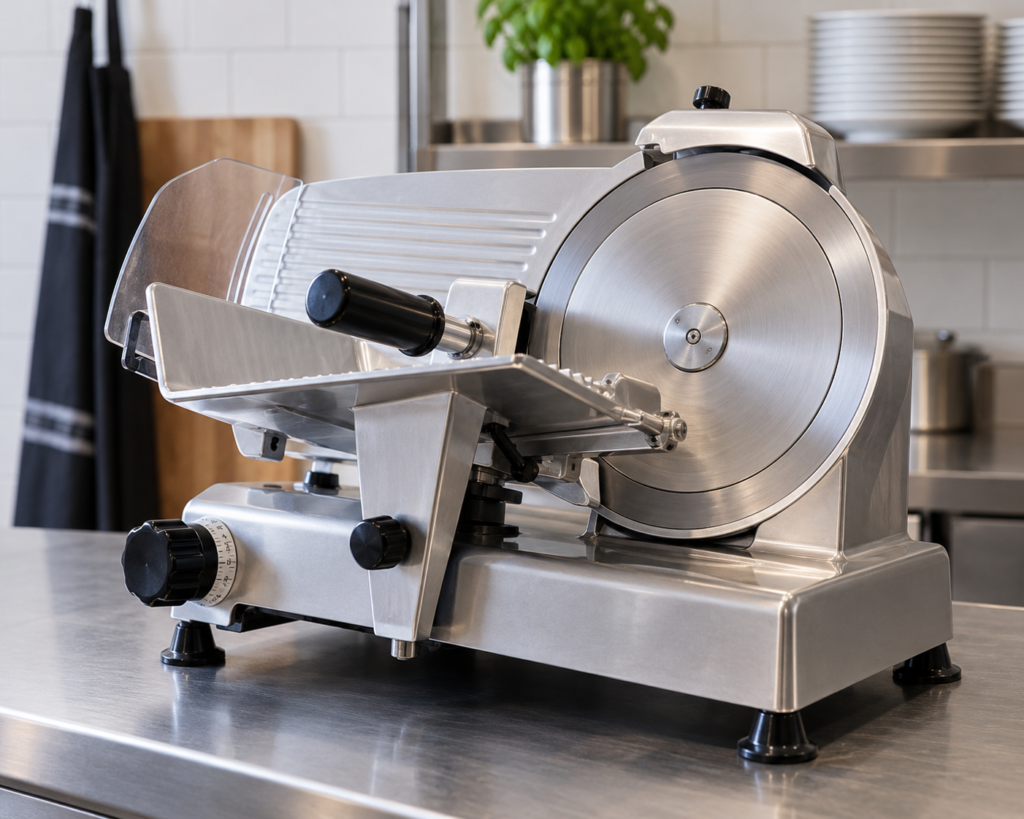
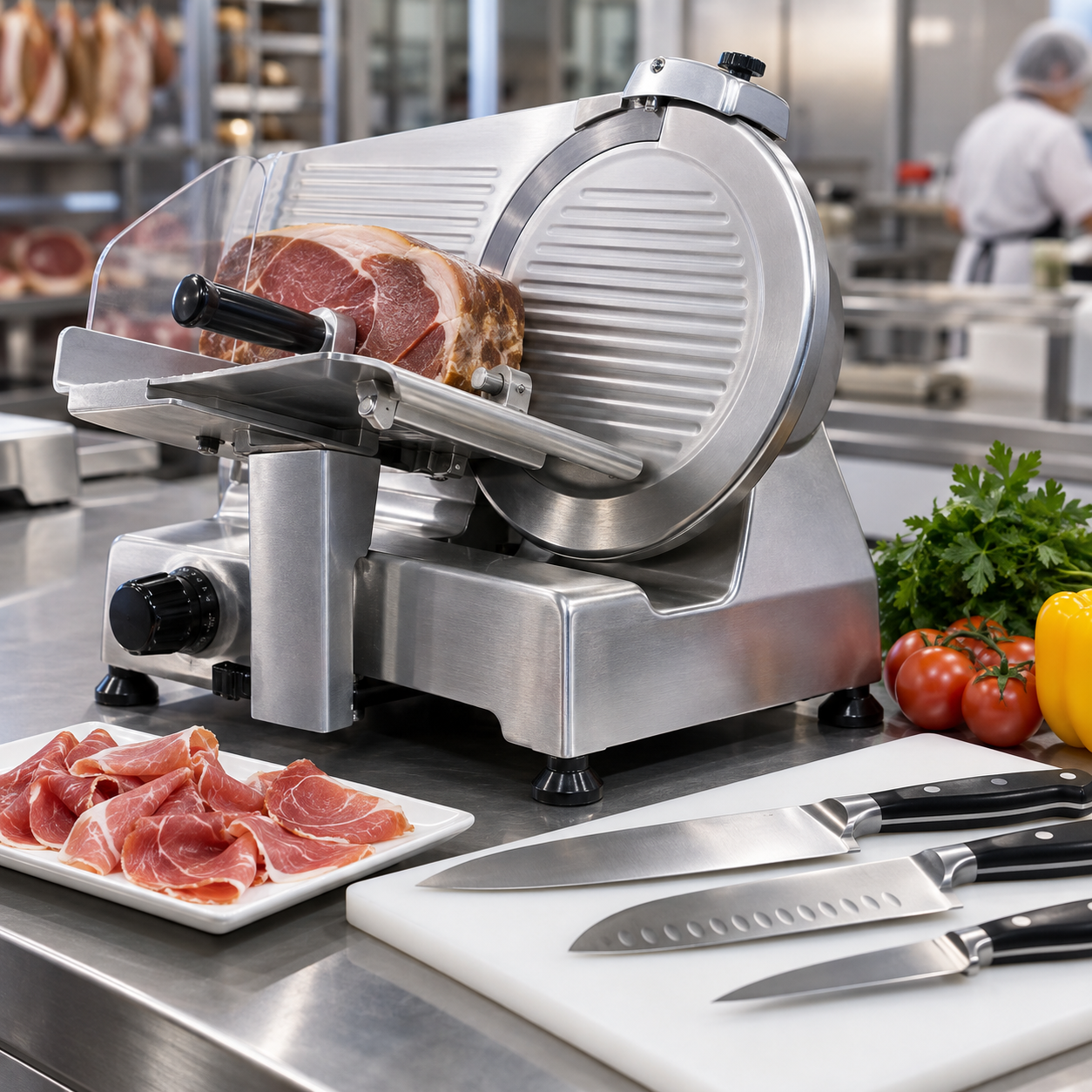
- You want to learn about tools specific to the agri-food sector. The training also covers sharpening equipment used in the food industry, including ham slicers and Wizards.
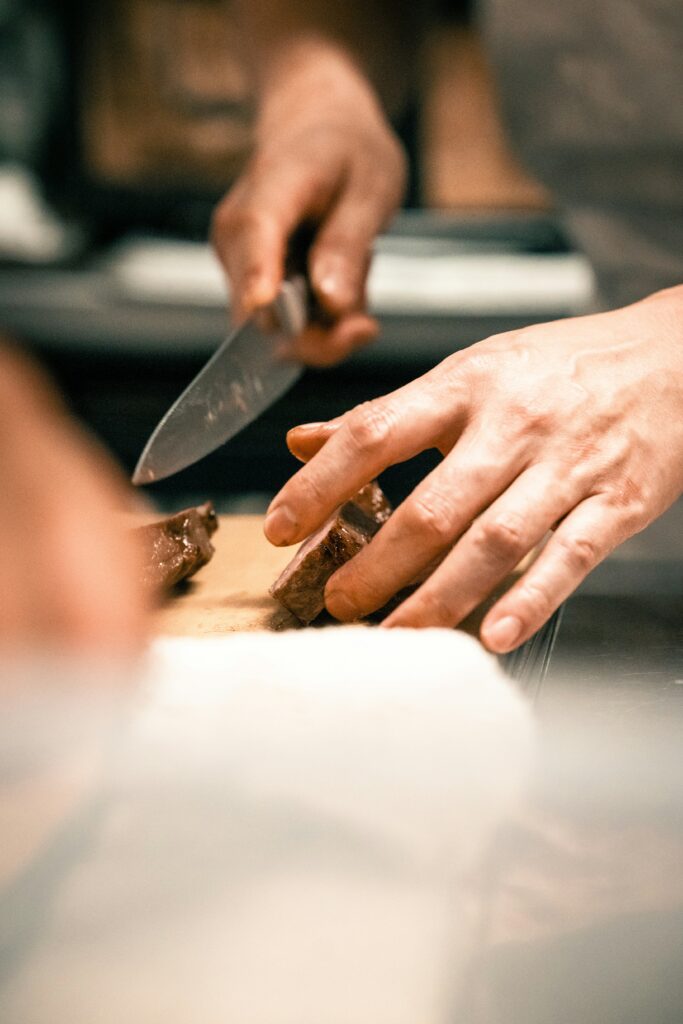
Training Objectives: Food Industry Cutting Tools
- Identify the different types of cutting tools, blades and metals; ;
- Identify the different types of cutting edges and their angles.
- Use appropriate grinding wheels, sharpening stones, guides and devices.
- Master the principles of sharpening and honing; ;
- Sharpen and grind smooth-edged knives.
- Working with knives with serrated, profiled, serrated, wavy and wavy/serrated blades; ;
- Addressing the sharpening of convex-profile Japanese knives and ceramic knives; ;
- Perform polishing and deburring.
- Sharpen cutting tools used in the food industry, including ham slicers and Wizards.
- Put sharpening and grinding techniques into practice in real-life situations.
Public
Professionals using knives and cutting tools in the food industry.
Prerequisites
None
Duration and rhythm
32 hours spread over 4 days
Pedagogical methods
Didactic contributions, debates and exchanges, exercises and real-life situations.
On the program
Four days to learn the fundamentals of sharpening and grinding, then put them into practice on different types of knives and cutting tools used in the food industry.
Blades with a smooth edge
- Safety rules for the handling and transport of sharp objects
- Types and classification of cutting tools
- Different types of blades and metals
- Water-cooled, dry and diamond grinding wheels
- Stones, guides and devices
- Thickness of the blades
- Types and cutting angles
- Principles of sharpening and honing
- Sharpening and grinding
- Burrs, polishing and deburring
- Work on blades with a smooth edge
- Work on ceramic knives
Specific blades and Japanese knives
- Notched blades
- Profiled blades
- Toothed blades
- Wavy-edged blades
- Introduction to convex-edge Japanese knives
- Sharpening and grinding
Specific tools
- Specific tools for the agri-food sector
- Ham slicers
- Wizards
- Japanese knives with convex profiles
- Honing steels
Training that can be provided directly on your site
The training can also be organized within your company, to allow your teams to receive training in their professional environment.
Frequently asked questions
What types of knives are taught to sharpen during training?
The training covers several types of knives and blades: smooth-edged, notched, profiled, serrated, wavy-edged and wavy-serrated blades. It also includes work on ceramic knives and Japanese knives with a convex profile.
Does the training only cover knives?
No. The program also includes the sharpening of tools specific to the agri-food sector, including ham slicers and Wizards. The use and maintenance of honing steels are also covered.
What is the difference between honing, sharpening, grinding and deburring?
These various operations are carried out during the maintenance of the cutting edge. The training course provides an understanding of the principles and teaches how to implement them according to the condition, the type of blade and the work to be performed.
How much of the training is dedicated to practical work?
Practical work is a key part of the course: of the 32 hours spread over 4 days, 22.5 hours are dedicated to hands-on training, representing approximately 70% of the course. The program includes guided and real-life simulations.
Can the training be organized directly in our company?
Yes, on-site training is possible. To find out about the arrangements for on-site training and discuss your company's specific needs, you can contact the FCTV Formations Conseil team directly.