
Become a Mobile Professional Sharpener
Are you considering a career change and looking for a hands-on profession where you can work for yourself ? Train to become a mobile professional sharpener and acquire the skills you need to develop your career plans.

FCTV Formations
Working as a Mobile Professional Sharpener
Depending on its activity and clientele, mobile professional sharpeners may work with butchers, charcutiers, restaurant professionals, fishmongers, hairdressers, groomers, craftspeople and grounds maintenance professionals.They may work directly at their clients' premises, organise regular rounds, work at markets or occasionally serve private customers.
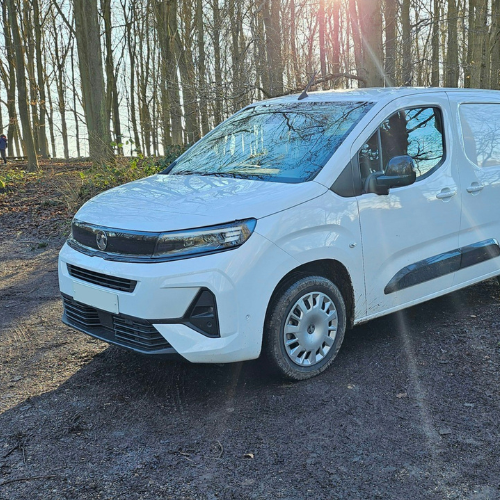
His workshop is often located in a specially equipped vehicleallowing them to work as close as possible to their clients. This proximity is an integral part of the profession: sharpeners need to understand how each tool is used, talk to the professional, identify their needs and return equipment that is suited to their work.
This variety is also part of what makes the profession so rewarding : Tools, clients, and situations are constantly changing. A pair of grooming scissors, a butcher knife or a woodworking tool each require different techniques and levels of precision.
Traditionally associated with the image of travelling sharpeners moving from town to town with their grinding wheels, the profession is now experiencing a revival. Today, professional sharpeners use modern equipment, precise techniques and a highly professional approach, while retaining what makes the trade unique : practical expertise, a local service and a commitment to extending the life of tools rather than replacing them.
What qualities do you need to become a professional sharpener?
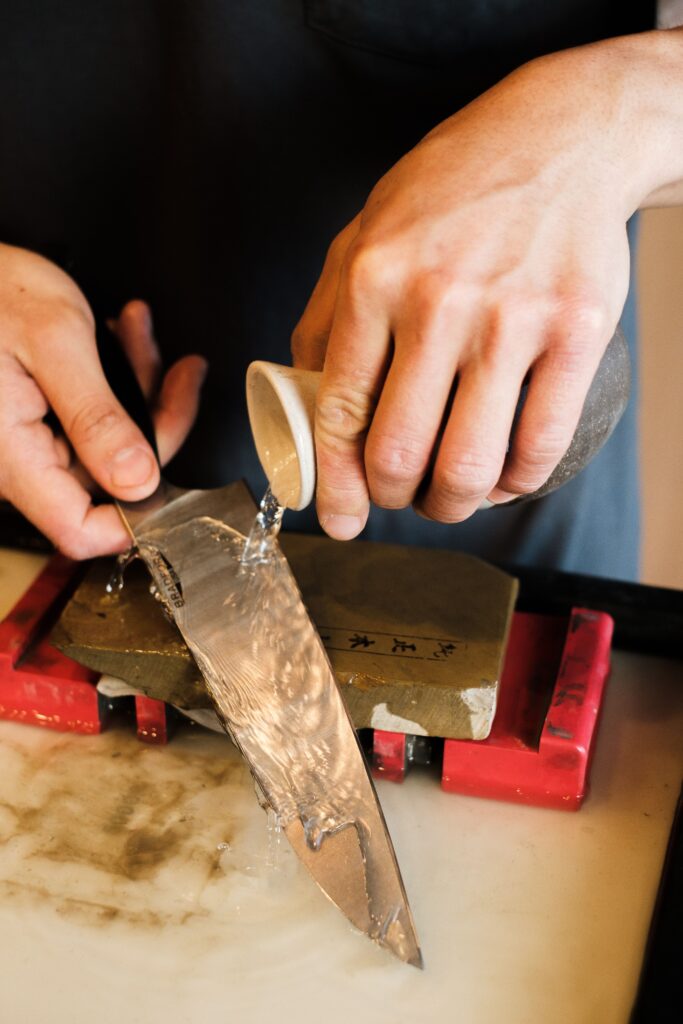
Technical skills are learned. Training allows you to progressively acquire the skills needed to understand different tools and blades, master sharpening and grinding techniques, use professional equipment and work safely. However, certain qualities are particularly valuable in this profession.
Precision
Professional sharpening requires precision, technical skill and great attention to detail. Being careful and enjoying hands-on work are essential when working with tools and their cutting edges.
Independance
A mobile professional sharpener organises their travel, appointments and regular rounds. When self-employed, they must also be able to manage their business on a day-to-day basis.
Patience
Each blade and tool requires careful observation. Patience and concentration are essential for working consistently and maintaining a high standard of workmanship.
Customer Service skills
A mobile professional sharpener works closely with their clients, who are often professionals themselves. Listening to them, understanding their needs and building a relationship of trust are all an integral part of the profession.
How to Become a Professional Sharpener ?

Defining your professional project
Before getting started, it is important to consider how you want to run your business: working as a mobile sharpener, the types of clients you want to work with, the area you want to cover and any potential specialisms. This initial planning will help you develop a business that suits both your local market and your goals.

Training in the trade of sharpening
Professional sharpening requires precise technical skills: understanding different types of tools and blades, choosing the appropriate techniques, mastering the equipment and working safely. Professional training allows you to acquire these skills and practice the techniques of the profession.

Preparing your installation
To work as a mobile professional sharpener, you then need to prepare your business in practical terms: choose your equipment, set up your workspace or vehicle, define your services and organise your future rounds.

Grow your customer base
Once established, a professional sharpener gradually builds up a network of clients: food industry professionals, hairdressers, groomers, craftspeople, grounds maintenance professionals and private customers. Building client loyalty and maintaining regular rounds then help the business grow.
Why choose a certification course?

Have your skills recognized
Upon completion of the course and subject to successful completion of the assessments, the certification officially attests to the skills you have acquired. In the context of a career change, it provides concrete recognition of your new expertise and allows you to enhance your professional career.
Train yourself in the profession in all its dimensions
Certification registered with the RNCP aims to certify the skills and knowledge necessary to practice a profession. You therefore do not just learn a few sharpening techniques: you develop a coherent set of skills that you will be called upon to use in professional situations.

Facilitate the financing of your training
Choosing a certification course can also allow you to mobilize certain resources. financing arrangements, Depending on the chosen course and your professional situation, registering for the certification with the RNCP is one of the conditions for eligibility for training under the CPF (Personal Training Account).
Is this training right for you?
Are you considering become a professional mobile sharpener, But you still have questions about the course, certification, or funding opportunities? Exchange with the school team. We can inform you about the training options available and help you identify the course that best suits your project and situation.
Two paths to becoming a sharpener
Have you decided to make professional sharpening your career? The school offers two training programmes to prepare you to work as a mobile professional sharpener : a 120-hour programme and a 156-hour programme.

They took the plunge
Training to become a mobile refiner is often the starting point for a new professional project. After completing their training at the school, former trainees have started their own businesses and are now working in different regions.
Tournaments with professionals, markets, private clients, mobile workshops… everyone builds their business based on their project, their territory and their clients.
Want to see what the trainees become after their training? Find out about their backgrounds and activities.
Frequently asked questions
What tools can a professional sharpener sharpen?
Depending on their clientele and business, a professional sharpener may work on different types of cutting tools, including professional knives, hairdressing and grooming scissors, woodworking tools, blades and other tools used by craftspeople and professionals.Each tool has its own characteristics and requires an appropriate sharpening technique to restore an effective cutting edge while preserving the blade.
What skills do you need to become a professional sharpener?
The profession requires, above all, the ability to master sharpening and grinding techniques uited to different tools and types of blades. You need to be able to assess the condition of a tool, choose the appropriate technique and equipment, work with precision and check the quality of the resulting cutting edge. securityequipment maintenance and understanding the needs of professional clients are also essential skills for working in this profession.
What equipment does a mobile professional sharpener use?
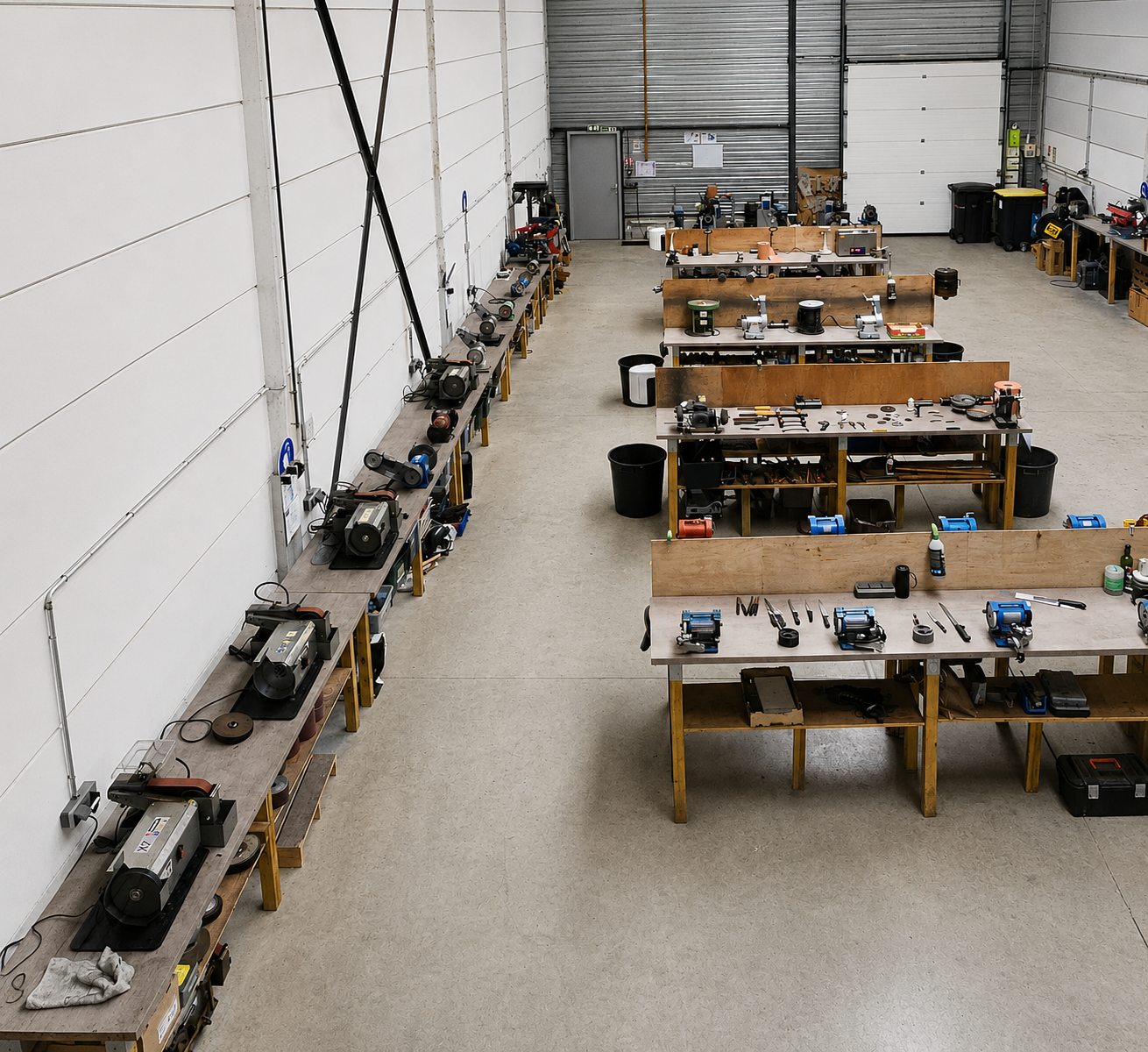
A professional sharpener uses different types of equipment depending on the tools they work on, including sharpening machines, grinding wheels, abrasive belts, polishing equipment and tools for checking the quality of the cutting edge. For a mobile sharpening business,this equipment can be installed in a specially equipped vehicle, allowing the sharpener to provide services directly to professional clients, at markets or during regular rounds.
What types of professionals can a mobile sharpener work with?
There are many opportunities, as a wide range of professions use cutting tools on a daily basis. A mobile professional sharpener can, for example, provide services to restaurant and food industry professionals, hairdressers, groomers, woodworking professionals and grounds maintenance professionals.They can also provide services to private customers and work at markets.
Do you need training to work as a professional sharpener?
Training allows you to acquire the technical skills needed to work on knives, scissors, blades and other cutting tools safely and to a professional standard. Certification training also provides formal recognition of the skills you acquire. The training courses offered by the École Nationale d’Affûtage et de Rémoulage prepare trainees to work professionally asa mobile professional sharpener and, subject to successful assessment, lead to a professional certification registered with the RNCP.