

What is professional sharpening?
Sharpening a blade is not simply about making it sharper. Professional sharpening involves precise skills, knowledge of materials and mastery of different techniques used to restore and maintain the cutting edge of tools.
FCTV Formations
Everything you need to know about the sharpening the remoulage the sharpening the sharpening
These terms are often used interchangeably, but they actually refer to different techniques and purposes.

Edge sharpening
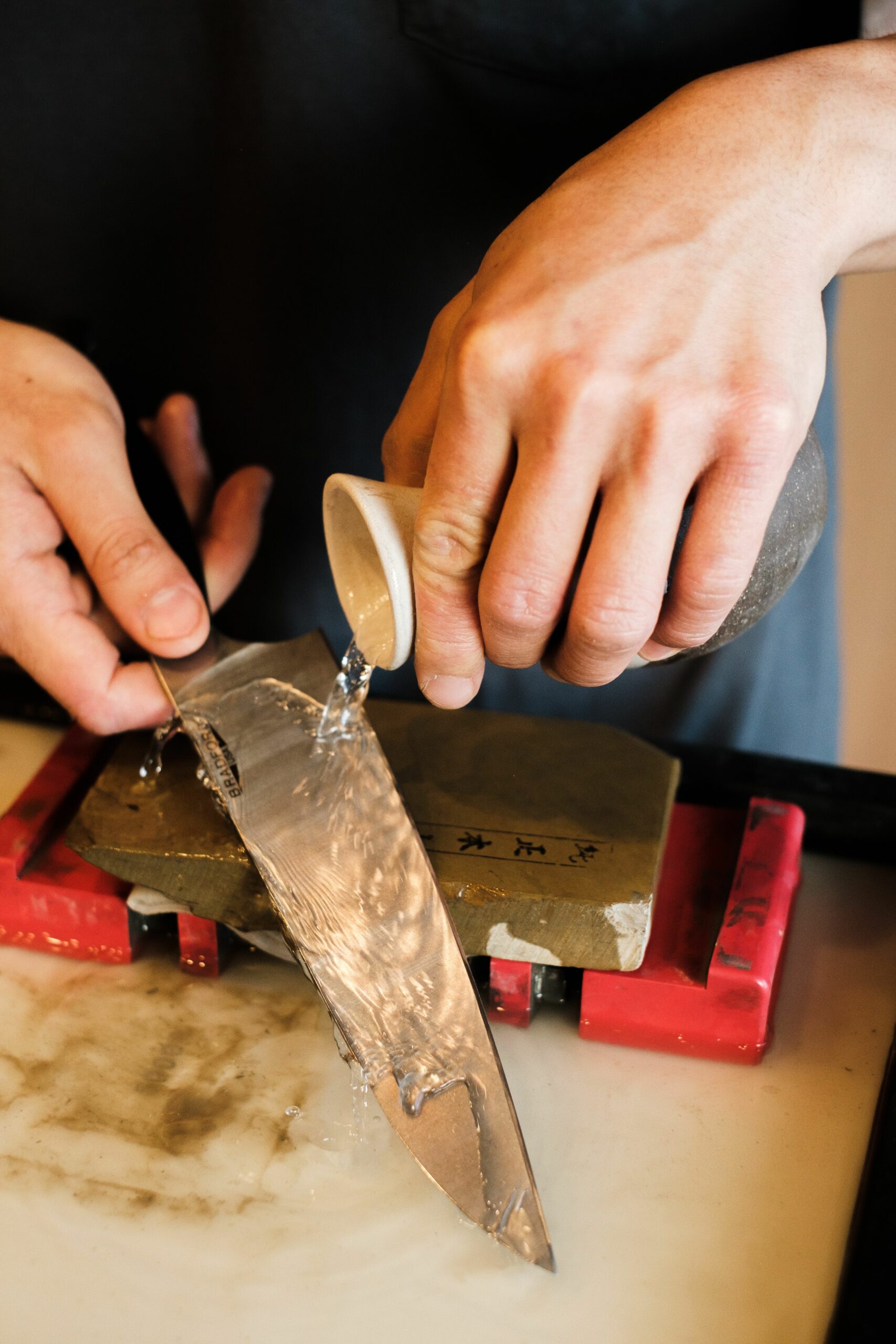
Sharpening involves working on the cutting edge of a blade to restore its sharpness. Different techniques and equipment can be used, including grinding wheels, abrasive belts and sharpening stones.

The sharpening
Sharpening is a broader term for the process of making or keeping a blade sharp. In everyday language, it is commonly used to refer to maintaining the cutting edge of a knife.

Honing
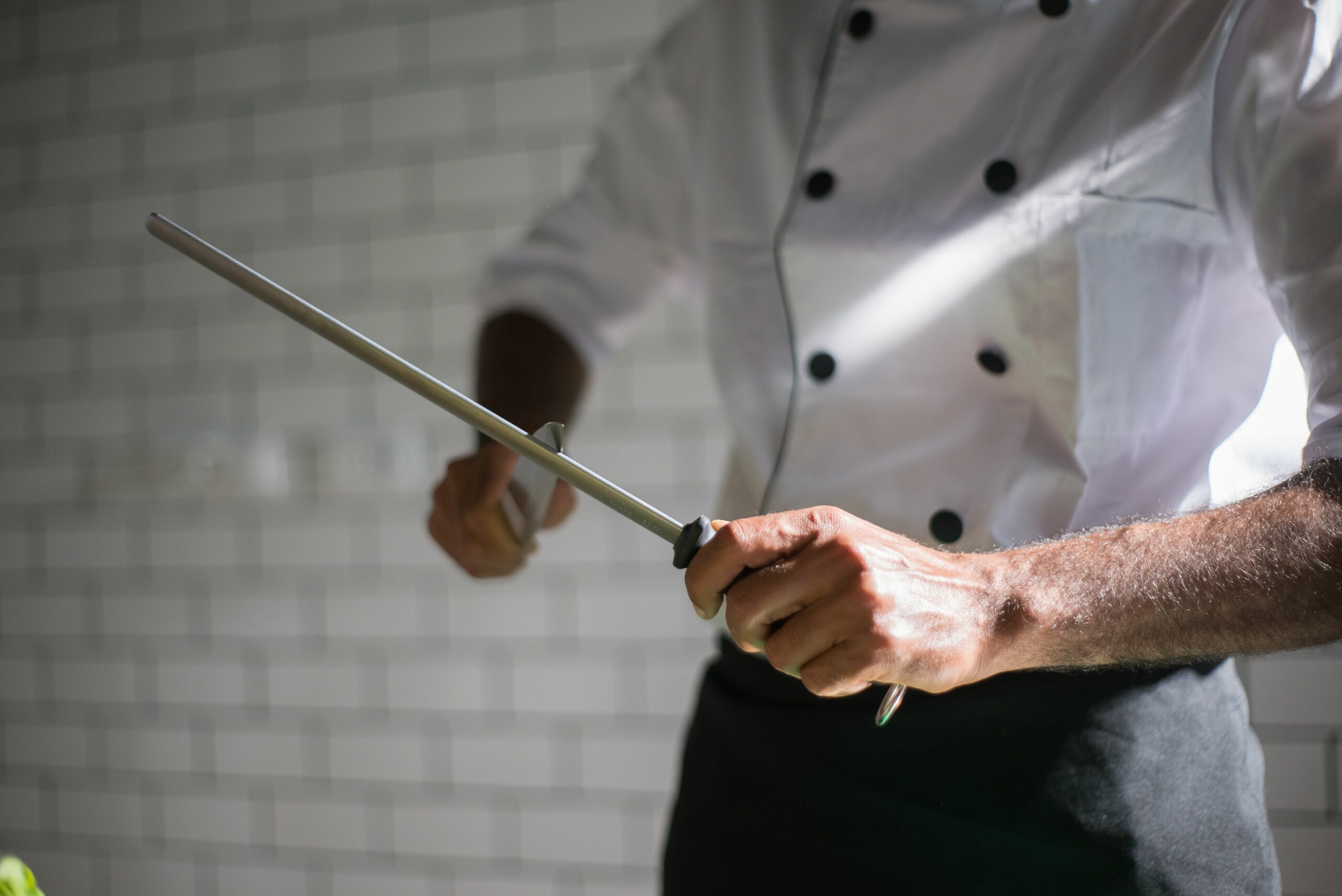
Honing is mainly used to maintain and realign the edge of a blade that is still in good condition. It helps maintain cutting performance between more extensive sharpening operations.
Grinding
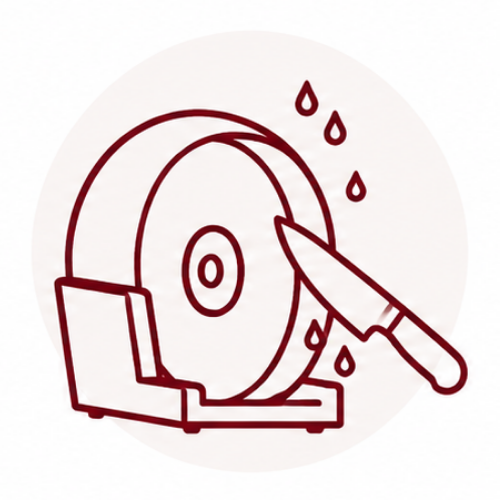
Grinding is a sharpening technique performed using a grinding wheel, particularly a water-cooled grinding wheel. When properly mastered, this technique helps limit burr formation and therefore reduces the need for additional deburring and polishing operations.
Prolonging the lifespan of cutting tools
Maintaining a cutting tool also means preserving its material, prolonging its use and avoiding its premature replacement.
A good sharpening does not involve removing material unnecessarily. Grinding can effectively restore the cutting edge while limiting wear on the blade.
Economic benefits
- Reduce the cost of replacing equipment
- Make the most of your investment by keeping quality tools for longer
Environmental benefits
- Preserve material by removing no more than necessary
- Reduce waste by maintaining existing tools rather than replacing them
Well-sharpened tools for better working conditions
Reduce physical effort and help prevent MSDs
When a knife or tool cuts poorly, its user must exert more force to achieve the same result. This repetition of effort can increase the strain placed on the hands, wrists, arms, shoulders, or back.
In professions that use sharp tools on a daily basis — butchery, charcuterie, fishmonger’s shops, restaurants, grooming salons, and green spaces in particular — maintaining a good level of sharpness helps to facilitate handling and limit physical fatigue. Regular maintenance of tools thus forms part of a more comprehensive approach to preventing musculoskeletal disorders (MSDs).
Reducing the risk of cuts
An insufficiently sharpened tool also requires more pressure. This can make movements less precise and increase the risk of the blade slipping or deviating from its intended path.
A properly maintained blade provides more consistent cutting performance and allows professionals to work with greater control. Sharpening is therefore an important factor in preventing risks associated with the daily use of cutting tools.
Learning professional sharpening techniques
Professional sharpening requires precision, practice and a good knowledge of tools and equipment.
The École Nationale d’Affûtage et de Rémoulage offers a range of training programmes for those wishing to become professional sharpeners, develop their skills or specialise in specific areas of sharpening.